
The AMAZING Secret to Running a Tank Without Water Changes – YES, It’s Really Possible!

Imagine you walk into a friend’s house & see the most beautiful aquarium you’ve ever laid eyes on. Crystal clear water, happy fish swimming around, plants swaying gently, & everything looks absolutely Perfect. When you ask about their maintenance routine, they drop a bombshell – “Oh, I never do water changes!” Your jaw hits the floor. How is that even POSSIBLE?
Welcome to the fascinating world of no water change tanks, also known as the Walstad method or natural planted tanks. This isn’t some crazy internet myth or impossible dream – it’s a real, SCIENTIFIC approach to aquarium keeping that thousands of hobbyists around the world swear by. Diana Walstad, the genius behind this method, figured out how to create a perfectly balanced ecosystem right inside your living room.
But hold on – before you think this sounds too good to be true, let me be honest with you. This method isn’t magic, & it’s definitely not the easy way out. Running a successful no water change tank requires understanding, patience, & a completely different mindset than traditional aquarium keeping. You can’t just stop doing water changes on your existing tank & expect miracles. There’s actual science behind making this work, & we’re going to dive deep into exactly how people pull off this incredible feat.
Understanding the Science Behind No Water Change Tanks
The secret sauce behind no water change tanks lies in something called the nitrogen cycle, but taken to a whole new level. In regular tanks, we rely on beneficial bacteria to convert harmful ammonia into less harmful nitrates, then we remove those nitrates through water changes. But what if I told you there’s a way to make those nitrates disappear naturally?
Plants are the real heroes in this story. While your filter bacteria are busy converting ammonia to nitrates, your aquatic plants are literally eating those nitrates for breakfast, lunch, & dinner. They use nitrates as their primary food source, along with phosphates & other nutrients that would normally build up in your water. When you have enough plants working around the clock, they can actually consume nitrates faster than your fish can produce them.
The magic happens when you achieve what aquarists call “the balance.” Your plants need to be healthy, numerous, & fast-growing enough to outpace the waste production from your fish. This creates a natural cycle where fish waste feeds the plants, plants clean the water, & everyone lives happily ever after. It’s like having a tiny rainforest ecosystem right in your tank, where every organism plays a crucial role in maintaining the whole system.
But here’s where it gets Really interesting – the substrate plays a huge role too. Diana Walstad discovered that using regular potting soil (yes, dirt from the garden center!) under a cap of sand or gravel creates an incredible biological filter. The soil provides nutrients for plants while also hosting beneficial bacteria that help process waste in ways that traditional gravel simply can’t match.
Setting Up Your Natural Ecosystem
Creating a no water change tank starts with the foundation – literally. The substrate is probably the most important decision you’ll make, & it’s completely different from what most people expect. Forget about those expensive aquarium gravels & colorful substrates. You’re going to the hardware store to buy plain old organic potting soil.
The soil layer should be about 1-2 inches thick, & here’s the CRITICAL part – it needs to be organic soil without any fertilizers, pesticides, or weird chemicals added. Many successful aquarists swear by Miracle-Gro Organic Choice or similar brands. You’ll cap this soil with about an inch of sand or fine gravel to keep everything in place & prevent your water from looking like chocolate milk.
Plant selection becomes absolutely crucial because these green machines are doing all the heavy lifting. You want fast-growing plants that are known nitrate hogs. Think Hornwort, Water Sprite, Amazon Swords, Cryptocorynes, &  Vallisneria. The more plants you can cram in there (within reason), the better your chances of success. Some people say you should cover at least 80% of your substrate with plants right from day one.
Lighting also needs special attention because your plants are working overtime. They need enough light to photosynthesize efficiently & consume all those nutrients. Most successful no-water-change tanks use moderate to high lighting for 8-10 hours daily. But be careful – too much light without enough plants can lead to algae explosions that’ll make you want to tear your hair out.
The cycling process is different too. Instead of the traditional fishless cycle, many people use the “silent cycle” method where plants consume ammonia directly, preventing the typical ammonia & nitrite spikes. You can add fish much sooner, but you still need to monitor water parameters closely during the first few weeks.
Fish Selection & Bio-load Management
Not all fish are created equal when it comes to no water change tanks. You can’t just throw in whatever fish you want & expect the system to handle it. The bioload – basically how much waste your fish produce – needs to match what your plants can handle. It’s like having a tiny city where the waste treatment plant (your plants) needs to keep up with the population (your fish).
Smaller fish are generally your best friends in this setup. Think tetras, rasboras, small barbs, & dwarf cichlids rather than large, messy fish like goldfish or big plecos. These smaller fish produce less waste per individual, & you can keep more of them without overwhelming your system. A school of 20 neon tetras will produce way less waste than a single large goldfish.
Bottom feeders can actually be incredibly helpful if you choose the right ones. Cory catfish are FANTASTIC because they help stir up the substrate without making a huge mess. They eat leftover food & keep things clean without producing massive amounts of waste. Malaysian Trumpet Snails are also popular additions because they burrow through the substrate & help prevent anaerobic pockets from forming.
Here’s something most people don’t realize – you need to feed differently in a no water change tank. Overfeeding is the fastest way to crash your system because uneaten food produces ammonia faster than your plants can handle it. Many successful aquarists feed smaller amounts more frequently, or they choose high-quality foods that produce less waste. Some even fast their fish one day per week to help keep the bioload manageable.
The key is starting small & building up slowly. Begin with just a few fish & monitor your water parameters religiously. If everything stays stable for several weeks, you can gradually add more fish. But if you see ammonia or nitrite readings, you’ve pushed too hard & need to back off.
Monitoring & Maintenance in a Natural System
Just because you’re not doing water changes doesn’t mean you can ignore your tank completely. In fact, monitoring becomes even MORE important because you’re relying entirely on biological processes to keep everything stable. You become a detective, watching for clues that your system is healthy or heading for trouble.
Water testing becomes your best friend. You’ll want to check ammonia, nitrites, & nitrates regularly, especially during the first few months. In a properly balanced system, ammonia & nitrites should always read zero, & nitrates should stay consistently low (usually under 20 ppm). If nitrates start climbing, it means your plants aren’t keeping up with the waste production.
Plant health is another crucial indicator. Happy plants mean a happy system. Watch for new growth, bright colors, & no signs of melting or decay. Dead or dying plants become waste producers instead of waste consumers, which can throw your whole balance off. Remove any dead plant matter quickly & replace struggling plants with healthier specimens.
Algae can be both friend & foe in these systems. A little bit of algae is actually helpful because it’s consuming nutrients just like your plants. But massive algae blooms signal that something is out of balance – usually too much light, not enough plants, or too much waste production. Green water blooms are particularly problematic because they can block light from reaching your rooted plants.
Top-offs become part of your routine because evaporation concentrates dissolved substances in your water. Use distilled or RO water for top-offs to avoid adding more minerals to your system. Some people do very small partial water changes (like 10% monthly) just to remove any accumulated substances that can’t be processed biologically, but true purists avoid even this.
Common Challenges & How to Overcome Them
Let’s be real – running a no water change tank isn’t always smooth sailing. Even experienced aquarists run into problems, & knowing what to expect can save you from major headaches. The most common issue people face is the dreaded “crash” where something goes wrong & the whole system falls apart quickly.
Algae blooms are probably the number one frustration for beginners. You set up your beautiful planted tank, & within weeks it looks like a green nightmare. This usually happens because the balance isn’t quite right yet. Your plants might not be established enough to compete with algae for nutrients, or you might have too much light for the number of plants you have. The solution often involves adding more fast-growing plants, reducing lighting temporarily, or adding algae-eating fish or invertebrates.
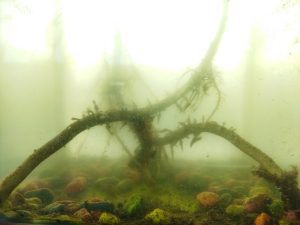
Plant die-offs can be absolutely heartbreaking & dangerous for your system. Sometimes plants go through an adjustment period where they lose their old leaves & grow new ones adapted to your water conditions. But if plants start dying en masse, they become waste producers instead of waste consumers. This can cause ammonia spikes that kill fish quickly. Always have backup plants ready & remove any obviously dying vegetation immediately.
pH swings are another sneaky problem that catches people off guard. During the day, plants consume CO2 & the pH rises. At night, they produce CO2 & the pH drops. In a heavily planted tank, these swings can be dramatic enough to stress fish. Some aquarists add extra surface agitation or even small amounts of crushed coral to buffer the pH.
The “ugly phase” is something every natural tank goes through, usually in the first 3-6 months. Everything looks messy, you might get various types of algae, plants might melt, & you’ll question every decision you’ve made. This is completely normal! Your tank is finding its balance, & patience is absolutely essential during this period. Many people give up right before their tank would have turned the corner into a beautiful, stable system.
Long-term Success & Benefits
When everything clicks & your no water change tank hits its stride, the rewards are absolutely incredible. The water stays crystal clear without any effort on your part.
Fish colors become more vibrant, plants grow like crazy, & you get to enjoy a truly natural ecosystem in your home. It’s like having a piece of the Amazon River right in your living room.
The environmental benefits are pretty amazing too. You’re not constantly dumping aquarium water down the drain or using chemicals to treat new water. Your electricity usage might even decrease because mature planted tanks often need less filtration & aeration than traditional setups. Some aquarists run their systems with nothing more than a small sponge filter or even just an air stone.
Financially, the long-term savings can be significant. No more water conditioners, fewer filter media replacements, & reduced water bills all add up over time. Yes, the initial setup costs more because you need lots of plants & special substrate, but after that, maintenance costs are minimal. Your biggest ongoing expense might just be fish food!
The learning experience is invaluable too. Running a natural tank teaches you SO much about aquatic ecosystems, plant biology, & the nitrogen cycle. You develop a deeper understanding of how nature works & how everything in an aquatic environment is connected. This knowledge makes you a better aquarist overall, even if you decide to keep traditional tanks too.
Ready to Take the Plunge?
Running a no water change tank isn’t for everyone, & that’s perfectly okay. It requires patience, dedication, & a willingness to learn from mistakes. But for those who stick with it, the rewards are absolutely worth the effort. You get to create & maintain a living ecosystem that’s both beautiful & fascinating to watch develop over time.
If you’re thinking about trying this method, start small & do your homework. Read Diana Walstad’s book, join online forums where experienced aquarists share their successes & failures, & don’t be afraid to ask questions. Remember that every tank is different, & what works perfectly for someone else might need tweaks for your specific situation.
The most important thing to remember is that this is a marathon, not a sprint. Your tank won’t look perfect immediately, & you’ll probably face some challenges along the way. But with patience, observation, & a willingness to make adjustments, you can create an amazing aquatic ecosystem that practically takes care of itself. Who knows? You might become that person whose friends can’t believe you never do water changes!
Are you ready to join the ranks of aquarists who’ve mastered this incredible method? Your fish – & your weekend schedule – will thank you for it!
Sources
https://ms.iobm.edu.pk/FileRepo/scholars/Y69771/DianaWalstadEcologyOfThePlantedAquarium.pdf